Skip to content

30% OFF YOUR FIRST ORDER | CODE HYDRATE30 ⚡️

SUBSCRIBE & SAVE 30% | FREE SHIPPING ON ALL SUSCRIPTIONS

FREE SHIPPING ON ORDERS OVER DHS. 300 🇦🇪

Article by Ashley C

Nutritionist 

Updated: October 28, 2025

3 minute read

What Is Zinc?

Zinc doesn't get talked about much. It's not trendy. It doesn't have a colour or a vibe. It just quietly shows up to over 300 different processes in your body every single day and gets absolutely zero credit for any of them.

Why 17% of the World Is Deficient and Most Don't Know 🌎

Zinc deficiency affects an estimated 17% of the global population. That's not a niche problem. That's a widespread, largely undiagnosed issue sitting underneath a huge number of symptoms that people are writing off as stress, overtraining or just getting older.


The symptoms of low zinc aren't dramatic enough to raise alarm bells. Weakened immunity. Slow wound healing. Hair loss. Low appetite. Fatigue. Poor recovery. Reduced focus. Low mood. Brain fog. Reduced testosterone. None of those scream zinc deficiency.


They just feel like life being a bit relentless. And because most of your zinc status doesn't show up clearly on standard tests, plenty of people are running low without ever finding out.

Who Is Most at Risk 👀

People who train hard top the list. Zinc is lost through sweat, which means the more you move and the harder you work, the more you're burning through. Endurance athletes and high intensity trainers frequently consume less zinc than recommended and lose significant amounts on top of that through every session.


Plant based eaters are also at higher risk. Zinc from animal sources like oysters, red meat, poultry and dairy is absorbed efficiently. Zinc from plant sources like legumes, seeds, nuts and whole grains is bound to phytates, which actively reduce how much your body can absorb. Eating zinc rich plants doesn't automatically mean you're absorbing zinc rich amounts.


Chronic illness, inflammation, infection and heat exposure all increase demand further. Basically, anything that stresses your body increases how much zinc it needs, right at the point when you can least afford to be running low

What It's Doing for Your Immune System ⚡️

This is what most people know zinc for, usually because someone handed them a zinc lozenge when they had a cold.


The research behind it is solid. Zinc supports the development and activity of T cells and natural killer cells, the immune system's frontline defence against infection. Adequate zinc intake has been shown to reduce both the duration and severity of common respiratory infections, particularly in people who were already deficient going in.


During illness, intense training blocks or periods of high physical stress, zinc requirements go up even further. Your immune system is working harder, which means it needs more of the mineral that keeps it running properly.

Brain, Mood and Sleep 🧠

Three things people care deeply about and rarely connect to zinc.


Low zinc levels have been consistently linked to depression, fatigue, reduced focus and poor mental clarity. Supplementation has been shown to improve mood and reduce depressive symptoms, particularly in people with deficiency. Your brain chemistry is more dependent on trace minerals than most people appreciate.


Sleep is part of this story too. Emerging research shows zinc interacts with circadian rhythm regulation and neurotransmitters involved in sleep, supporting deeper and more restorative rest. Low zinc intake has been associated with shorter sleep duration. Better zinc status, better sleep. Better sleep, better recovery. It's all connected.

Inflammation, Oxidative Stress and Recovery 💪

Zinc contributes to your body's antioxidant systems and helps limit oxidative stress and chronic inflammation. When zinc is adequate, inflammatory markers like CRP and interleukin-6 tend to be lower. When it's low, inflammation and oxidative stress increase, which impairs immune function, slows recovery, affects metabolic health and disrupts hydration balance at a cellular level.


For anyone training regularly, managing inflammation is a constant background job. Zinc is one of the tools your body uses to do it, and most people aren't giving it nearly enough to work with.

Where It Fits in the OWNKIND Formula 🔬

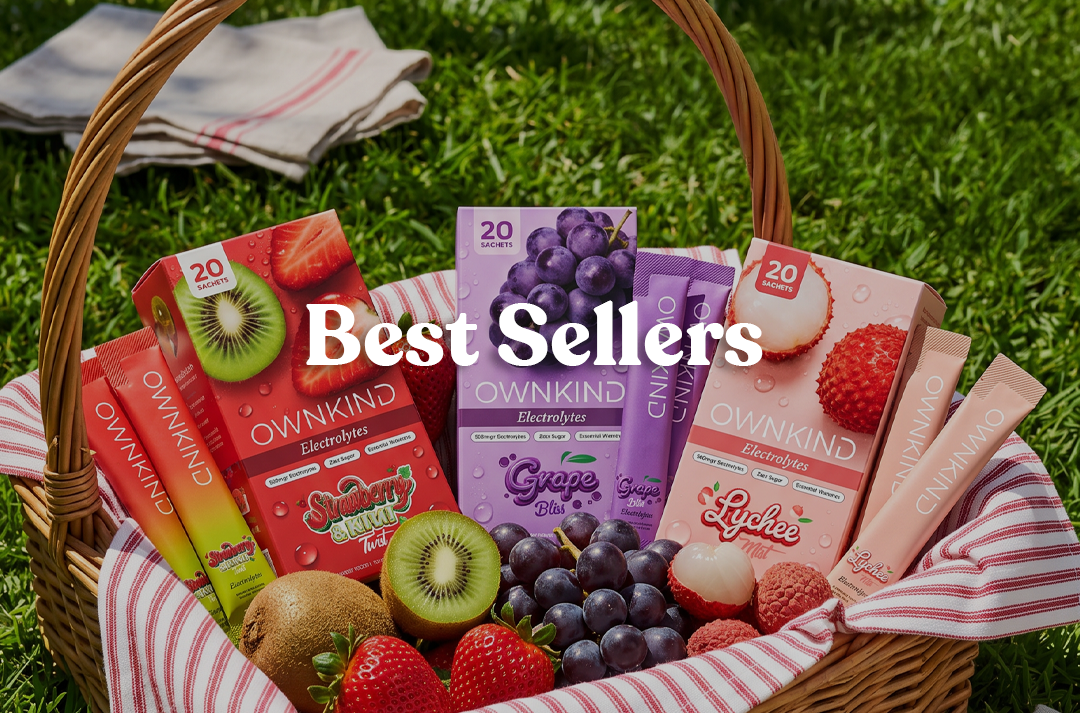
Every sachet includes bioavailable zinc alongside sodium, potassium, magnesium, calcium, phosphorus and Vitamin C because hydration is not just about fluid replacement.


Zinc supports immune resilience, hormonal balance, recovery, sleep quality, inflammation control and cognitive performance. All of the things that matter when you're training hard, living fast or simply trying to feel consistently good rather than just occasionally decent.

Feel the benefits of Ownkind Today